


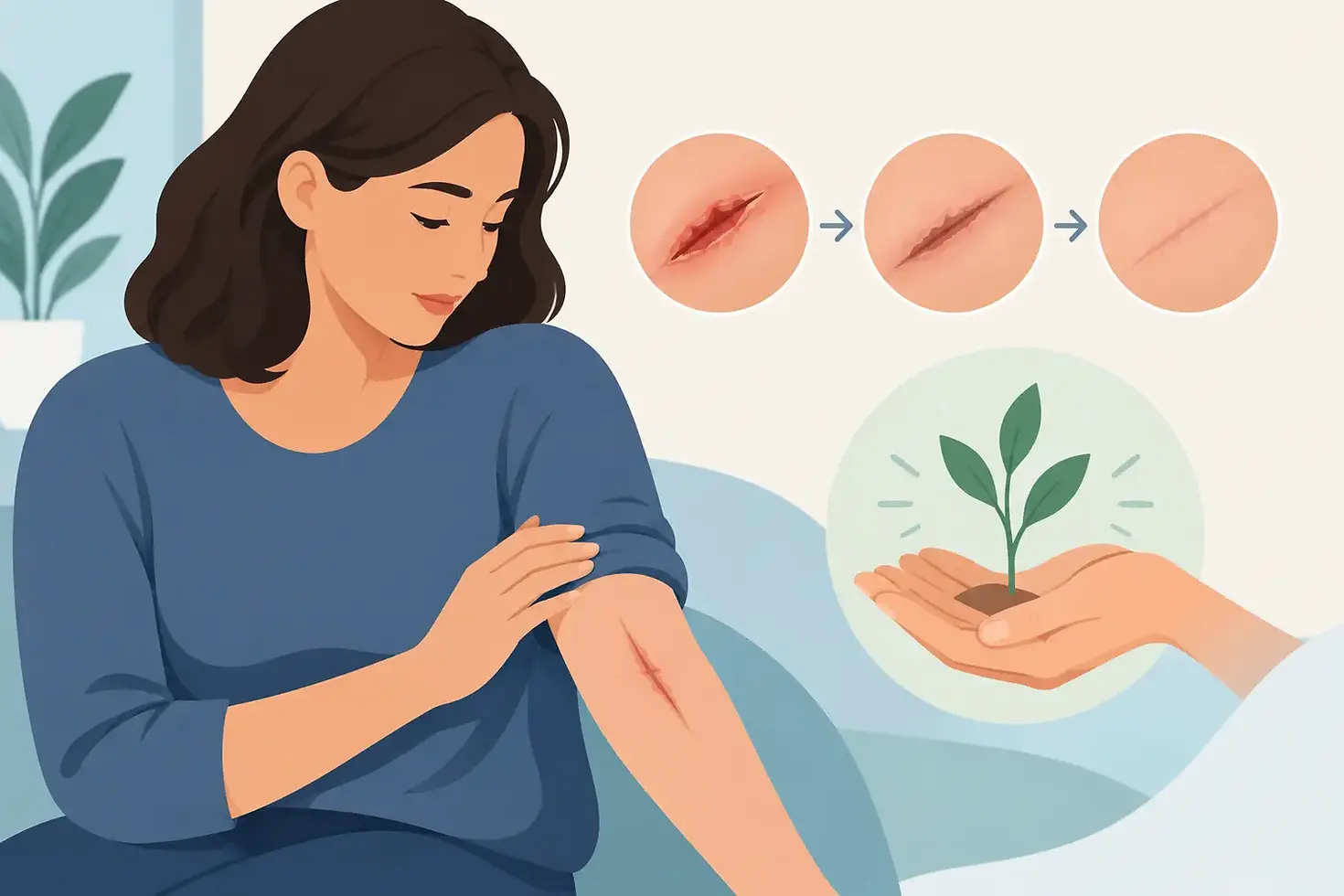
Why Wounds Reopen and What You Can Do Next

A wound that opens again after it appeared to be healing can be frustrating and frightening. For older adults, people with diabetes, and patients recovering from surgery or illness, understanding why wounds reopen is the first step toward preventing a small setback from becoming a serious complication.
A reopened wound is not always an emergency, but it should never be ignored. The skin may look closed while the tissue beneath it is still fragile, or an underlying circulation, pressure, infection, or nutrition issue may be interfering with healing. Prompt assessment helps identify the cause and build a treatment plan that protects the wound from further damage.
Why Wounds Reopen After They Seem Healed
Wound healing is more complex than skin closing over. The body must create new tissue, restore blood supply, manage inflammation, and strengthen the repaired area over time. Even after a wound looks better, newly healed skin is thinner and less resilient than healthy surrounding skin.
A wound may reopen because it was exposed to pressure, friction, swelling, moisture, or trauma before the tissue was strong enough. For example, a pressure injury near the tailbone can reopen after prolonged sitting or lying in one position. A foot ulcer can break down again when a person resumes walking in poorly fitting shoes or without appropriate offloading.
Sometimes the reason is beneath the skin. Poor circulation, uncontrolled blood sugar, infection, vein disease, and certain medications can all slow repair and make a healed area more likely to fail. Reopening is a clinical signal that the wound may need more support, not simply another bandage.
Pressure, Friction, and Shear
Pressure is a leading reason wounds recur, particularly for people with limited mobility. Constant pressure restricts blood flow to the skin and underlying tissue. Friction can rub away fragile new skin, while shear occurs when the skin stays in place but deeper tissue shifts, such as when a patient slides down in bed.
Pressure injuries on the sacrum, heels, hips, and elbows need consistent repositioning and support surfaces. A wound that repeatedly opens in the same location often means the source of pressure has not been fully addressed.
Swelling and Poor Circulation
Leg swelling can stretch healing skin and cause drainage, blistering, or wound separation. Venous leg ulcers are especially likely to recur when vein disease and edema are not managed. Compression may help some patients control swelling and improve venous return, but it must be selected by a qualified clinician after circulation is evaluated.
Arterial disease creates a different challenge. When blood flow to the legs or feet is reduced, the body may not have enough oxygen and nutrients to maintain healthy tissue. A small bump, blister, or scratch can become a hard-to-heal wound, especially on the toes or feet.
Diabetes and Nerve Damage
Diabetes can affect healing in several ways. Elevated blood sugar may impair immune function and circulation, while neuropathy can reduce sensation in the feet. A patient may continue walking on a blister, callus, or minor wound without feeling pain that would normally signal a problem.
Diabetic foot ulcers require early attention because pressure and infection can progress quickly. Keeping blood sugar within the care team's recommended range, checking feet daily, and using prescribed footwear or offloading devices can reduce the risk of a wound reopening.
Infection or Inflammation
Infection can keep a wound from closing or cause it to reopen after partial healing. Increased redness, warmth, swelling, odor, drainage, pain, or tenderness may be warning signs. However, not every infection causes fever or severe pain, particularly in older adults and people with diabetes.
Inflammation from repeated trauma, moisture damage, or an untreated skin condition can also weaken tissue. A wound care clinician may need to assess the wound bed, remove unhealthy tissue, obtain a culture or biopsy when appropriate, and adjust the dressing plan.
Wound Separation After Surgery
A surgical incision can reopen, a condition sometimes called dehiscence. It may happen when the incision is under strain from coughing, vomiting, constipation, lifting, or normal movement before the deeper layers have healed. Obesity, smoking, malnutrition, diabetes, infection, steroid use, and poor circulation can increase the risk.
Any separation in a surgical wound should be reported to the surgeon or wound care provider. If the wound opens deeply, drains heavily, or tissue is visible, seek urgent medical evaluation.
Warning Signs That Need Prompt Medical Attention
A reopening wound deserves a call to a healthcare professional, especially when the patient has diabetes, vascular disease, reduced mobility, or a history of chronic wounds. Early treatment can reduce pain, lower infection risk, and help avoid a hospital visit.
Contact a wound care provider promptly if the wound is getting larger, deeper, redder, or more painful. Other concerns include new or increasing drainage, a foul odor, black tissue, spreading redness, warmth around the wound, fever, chills, or a change in mental status.
Seek emergency care for uncontrolled bleeding, rapidly spreading redness, severe weakness, confusion, blue or cold toes, or a wound that opens widely after surgery. Do not try to force a deep wound closed at home or place unapproved products into it.
What to Do When a Wound Reopens
The right next step depends on the type of wound, where it is located, how deeply it has opened, and the patient's overall health. In general, protect the area from further injury and arrange professional evaluation as soon as possible.
Keep the wound clean and covered with a clean dressing if one has been recommended. Avoid peroxide, alcohol, and harsh antiseptics unless specifically directed by a clinician, as these products can damage healing tissue. Do not remove scabs, trim dead tissue, or use leftover antibiotics without medical guidance.
Relieve pressure immediately. For a heel wound, avoid resting the heel directly on the mattress. For a sacral wound, follow a repositioning plan and use appropriate cushions or support surfaces. For a foot wound, limit weight-bearing and use prescribed offloading equipment. Small changes in positioning can make a meaningful difference while waiting for care.
It also helps to document when the wound reopened and what changed beforehand. Caregivers can note drainage, odor, pain, swelling, recent falls, new footwear, changes in mobility, or missed dressing changes. These details help the clinical team identify the source of the problem rather than treating only the visible opening.
Advanced Care Can Address the Cause, Not Just the Surface
When a wound reopens repeatedly, standard dressing changes alone may not be enough. Comprehensive wound management begins with identifying barriers to healing, such as pressure, infection, dead tissue, edema, poor circulation, or inadequate nutrition.
Depending on the wound, treatment may include debridement to remove nonviable tissue, advanced dressings to manage drainage and protect the wound bed, non-thermal ultrasound, biologic skin substitutes, or hyperbaric oxygen therapy for eligible patients. Some wounds also require vascular evaluation, diabetes management, infection treatment, or changes to mobility and nutrition plans.
For patients who have difficulty traveling, access matters just as much as treatment. Wound Care Center of Palm Beach provides expert wound care through office-based and mobile services, helping patients receive individualized support in homes, assisted living communities, nursing facilities, and other care settings.
Preventing Another Setback
Prevention plans should be realistic for the patient and caregiver. A person with a venous leg ulcer may need support with compression, leg elevation, and skin care. Someone with a diabetic foot ulcer may need routine foot checks, offloading, and better control of blood sugar. A bed-bound patient may need a clear turning schedule, moisture management, and a pressure-relieving mattress.
Nutrition also matters. The body needs adequate calories, protein, fluids, vitamins, and minerals to repair tissue. Appetite loss, difficulty chewing, swallowing problems, and restrictive diets can all affect healing. A physician, dietitian, or wound care team can help determine whether nutrition support is needed.
Most of all, do not wait for a reopened wound to become painful or infected before requesting help. Fragile skin and chronic wounds often give early signs that they need more protection. Timely, specialized care can help restore healing, reduce complications, and give patients and families a clearer path forward.
If a wound has reopened or is not progressing as expected, a professional assessment can provide reassurance and a practical plan for the next stage of recovery.


Comments